
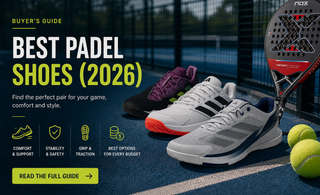
The right shoes can make or break your padel game. Padel involves constant lateral movement, quick stops, and sudden changes of direction, so the best padel shoes give you grip, stability, and support that regular sneakers simply cannot. This guide explains what to look for, how to match your shoes to the court, which models in our US lineup fit each type of player, and how to choose the best padel shoes for your game and budget.
Why you need proper padel shoes
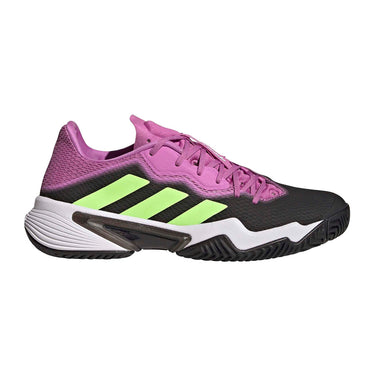
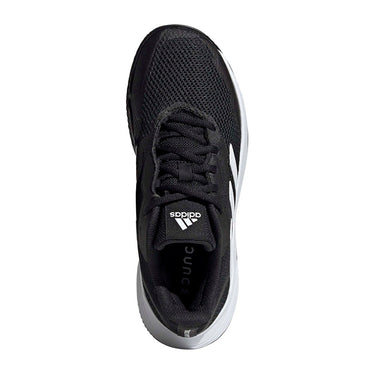
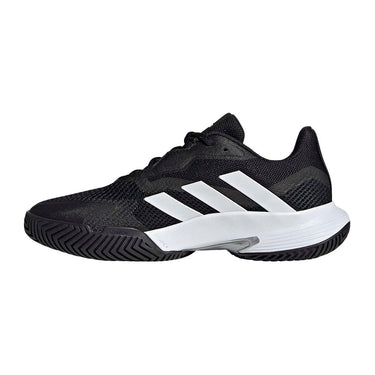
Padel shoes are specifically designed for the demands of the court, and playing in running shoes or everyday sneakers is a common beginner mistake. Running shoes are built for forward motion and lack the lateral support padel requires, which leaves your ankles exposed on quick sideways movements. Proper padel shoes deliver the right grip, cushioning, and stability for explosive changes of direction, helping you move confidently and reducing the risk of slips and injuries. You can browse a full range in our padel shoes collection.
The outsole: herringbone, omni and padel-specific soles
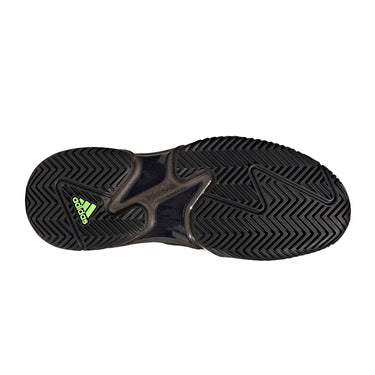
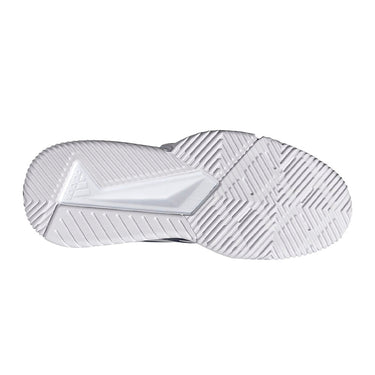
The outsole pattern is the most important feature of any padel shoe because it determines your grip. A herringbone (fishbone) sole has a zig-zag tread that grips firmly and lets you slide in a controlled way, making it the most popular and versatile choice for padel. An omni sole uses a pattern of small studs or pimples that dig into sandy artificial grass for maximum traction, ideal if you always play on the same surface. Many players choose herringbone for its all-around grip and easy, controlled sliding.
A third group is the padel-specific or hybrid outsole, which mixes tread zones and often adds a pivot point under the forefoot for quick turns. You will also see the word "Clay" in many padel shoe names: it usually signals a herringbone outsole, the same pattern used on clay-court tennis shoes, which handles the sand on a padel court well. Labels vary by brand, so always check the outsole description on the product page.
Match your shoes to the court surface
Most padel courts use artificial grass filled with sand, indoors and outdoors, and both herringbone and omni soles work well on it. What changes from club to club is how much loose sand sits on top of the turf and how worn the fibers are. On courts with plenty of loose sand, a full herringbone or omni sole bites through it and helps keep you planted. On newer or well-groomed turf with little loose sand, a padel-specific or hybrid outsole usually gives enough grip without catching when you pivot. When in doubt, a herringbone padel shoe is the safest all-around pick because it performs across the widest range of courts.
Grip and traction
Good grip keeps you balanced during fast rallies, but padel also rewards controlled sliding into shots, so you want traction that holds without sticking so hard that it strains your knees and ankles. The best padel shoes strike this balance: enough grip to stop and change direction sharply, with just enough give to slide into a wide ball. Rubber compounds matter too, since a durable, high-quality rubber outsole keeps that grip alive over many sessions.
Lateral support and stability
Because padel is played side to side, lateral support is essential. Look for shoes with reinforced sidewalls, a supportive upper, and a stable platform that keeps your foot secure during sharp cuts and lunges. Reinforcement around the toe also protects against drags and scuffs when you stretch for low volleys. Strong lateral support not only improves your movement but also protects your ankles from rolling, which is one of the most common padel injuries.
Cushioning and comfort
Padel matches can last well over an hour, so cushioning keeps your legs fresh and absorbs the impact of constant stops and jumps. Midsole technologies like EVA foam and gel inserts soften landings and reduce fatigue, while a comfortable, breathable upper keeps your feet cool. If you have joint concerns or play often, prioritize extra cushioning and shock absorption to protect your knees and back over long sessions.
Fit, sizing and durability
A proper fit is critical: padel shoes should feel snug around the heel and midfoot with a little room in the toe box, so your foot stays locked in during quick movements without pinching. Try them on with your padel socks, and remember that a shoe that slides inside will cause blisters and instability. Durability matters too, since the constant abrasion of court play wears soles down, so a well-built shoe with a tough outsole and reinforced upper is worth the investment. Sizing can vary between models, so check the size options on each product page before you order. Once the tread on the forefoot is worn smooth or the upper no longer holds your foot, it is time for a new pair.
Best padel shoes by type of player
The best choice depends on how and how often you play. The picks below come from our current US lineup, and each description is based on the specifications listed on the product page. Sizes and colorways change from season to season, so check the product page before you order.
Best for beginners and casual players
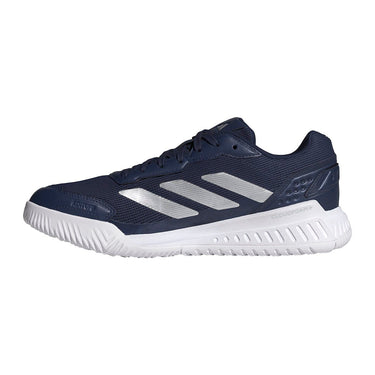
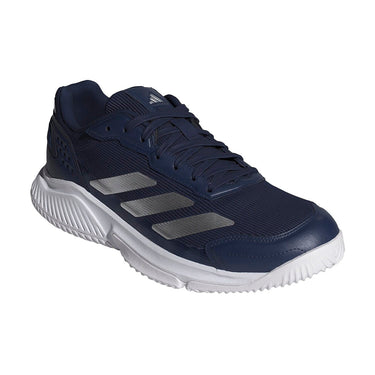
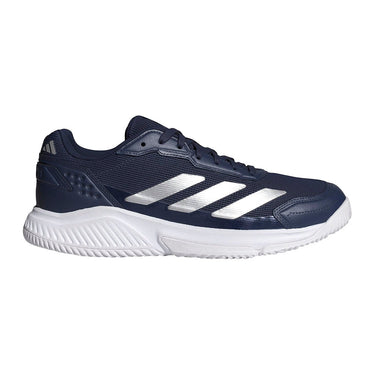
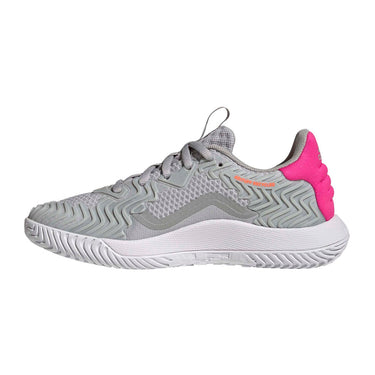
Look for a comfortable, forgiving shoe with a proper padel outsole. The Adidas Gamecourt 2 M Clay combines an EVA midsole with a herringbone Adiwear outsole and midfoot reinforcement. For women, the Adidas Gamecourt 2 W uses a herringbone/clay rubber sole and an EVA midsole and is listed for beginner to intermediate players.
Best for stability and control
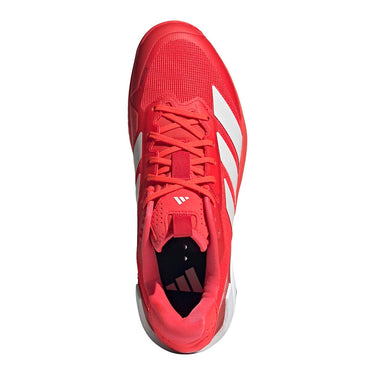
If you want a stable, all-level shoe for regular play, the Adidas Courtjam Control 3 M Clay pairs a Bounce midsole with the Torsion system for midfoot support and an Adiwear clay outsole. The women's Courtjam Control 3 W uses the same set of technologies.
Best for cushioning and durability
Players who log a lot of court time and want more cushioning can look at the Adidas Crazyquick Boost. It combines a Boost midsole with a Slingframe structure for lateral stability, an Adiwear padel-specific outsole and an Adituff toe cap that reinforces the area most exposed to drag.
Best for speed
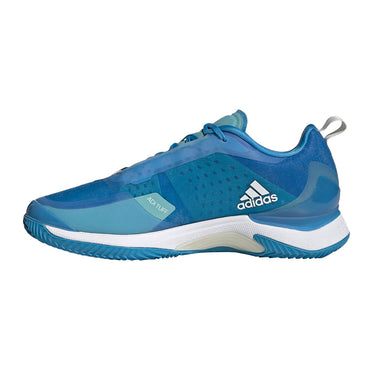
If you value a light, fast feel, the Adidas Defiant Speed 2 M Clay uses a Lightstrike midsole for lightweight cushioning and close court contact, plus a TPU heel stabilizer for a secure fit.
You can compare every model, including more women's options, in our padel shoes collection.
Padel shoe brands: what we carry in the US
Several sportswear brands make padel-specific footwear, and a dedicated padel model from a reputable brand will usually serve you better than a generic sneaker. At Padel Market USA our padel shoe lineup is currently Adidas, with men's and women's models from lines such as Gamecourt, Courtjam, Crazyquick, Defiant Speed, Adizero and Courtquick. You can see them all in our adidas padel shoes collection. Whatever brand you consider, judge the shoe by its outsole, lateral support, cushioning and fit rather than by the logo.
Padel shoes vs tennis shoes
Padel and tennis shoes look similar and share lateral support, but they are not identical. The biggest difference is the outsole: padel shoes are tuned for sand-filled artificial grass and controlled sliding, while many tennis shoes are built for the abrasion of hard courts. A clay-court tennis shoe with a full herringbone sole is the closest substitute, but a dedicated padel shoe is the better choice if you play regularly. For a full side-by-side comparison of grip, surfaces, stability and cushioning, read our guide to padel shoes vs tennis shoes.
How much should you spend on padel shoes?
Spend according to how often you play. Entry-level padel shoes are perfect for beginners and casual players, offering a proper outsole and decent support. Mid-range and premium shoes add better cushioning, more durable materials, and advanced stability features that competitive players will appreciate. The more court time you log, the more the extra comfort and durability pay off. Prices change with new seasons and promotions, so check the current price on each product page.
How to care for your padel shoes
A few habits extend the life of your padel shoes. Knock off excess sand after playing and wipe the soles so grit does not wear down the tread, and let them air dry rather than putting them near direct heat. Avoid wearing your court shoes on the street, since pavement grinds down the outsole quickly. Rotating between two pairs if you play frequently also gives the cushioning time to recover between sessions.
Frequently asked questions
Can I play padel in running shoes? It is not recommended. Running shoes lack lateral support and the right outsole, which increases the risk of slips and ankle injuries.
What sole is best for padel? A herringbone (fishbone) sole is the most versatile, offering strong grip and controlled sliding on most courts. Omni soles suit sandy artificial grass.
Are padel and tennis shoes the same? They are similar but not identical. A clay-court tennis shoe can work, but a dedicated padel shoe is optimized for padel courts and movement.
How much should I spend on padel shoes? It depends on how often you play. Beginners can start with an entry-level padel shoe, while frequent players benefit from premium cushioning and durability.
How do I know my padel shoes fit correctly? They should be snug at the heel and midfoot with a little toe room, holding your foot firmly during quick lateral movements without pinching.
Ready to find your perfect padel shoes?
To sum up, the best padel shoes combine a grippy herringbone outsole, strong lateral support, comfortable cushioning, and a secure fit, all matched to the court you play on and your budget. Get those right and you will move better, play longer, and lower your risk of injury. When you are ready to upgrade your footwork, explore our padel shoes collection and step onto the court with confidence.









:%20Buyer's%20Guide)