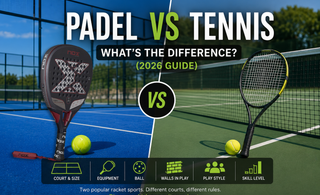
Padel and tennis look like cousins, and they are, but they play very differently. If you are deciding which sport to try, or you already play tennis and are curious about the fastest growing racquet sport in the world, this padel vs tennis guide breaks down every key difference: the court, the equipment, the rules, the scoring, and how hard each is to learn. Understanding the differences between padel and tennis helps you pick the right game, and since these two racket sports are both booming, with padel the fastest growing sport in the world and tennis growing rapidly again, it is worth knowing how they compare.
Padel vs tennis at a glance
The simplest way to understand the difference is this: tennis is played on an open court with a strung racket and an overhand serve, while padel is played on a smaller, enclosed court with a solid, stringless racket, an underhand serve, and walls that are part of the game. Padel is almost always played in doubles, is easier to pick up, and has quickly become one of the most popular racquet sports for beginners and social players. Both are fun, athletic, and rewarding, but they suit different tastes. The major difference is that padel combines elements of tennis and squash, using walls the way squash does while keeping tennis-style scoring.
The court
The court is the biggest difference. A padel court is enclosed by glass walls and metal mesh and measures 20 by 10 meters, which is significantly smaller than a tennis court. A tennis court is open with no walls and is larger, at 23.77 meters long and up to 10.97 meters wide for doubles. In padel, the ball can be played off the back and side walls after it bounces, adding a whole dimension that does not exist in tennis, where a ball that leaves the court is simply out. In terms of court size, a padel court is about half the size of a tennis court, and its surrounding walls make even indoor padel courts feel intimate compared with a larger tennis court.
The racket
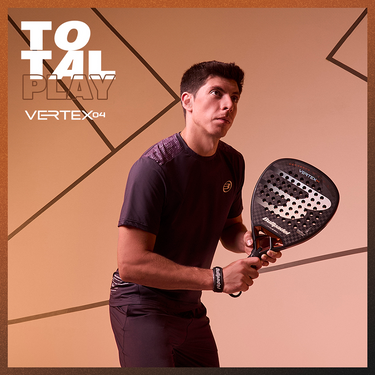
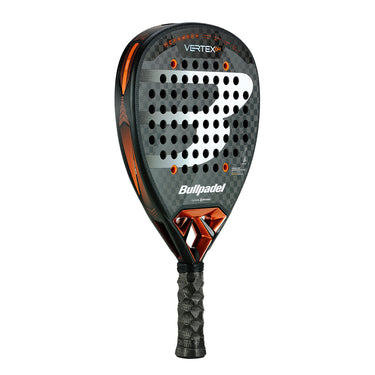
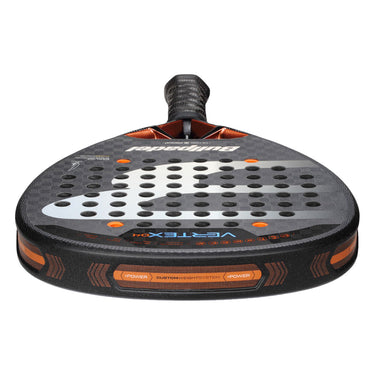
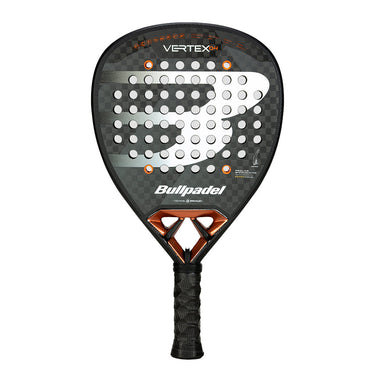
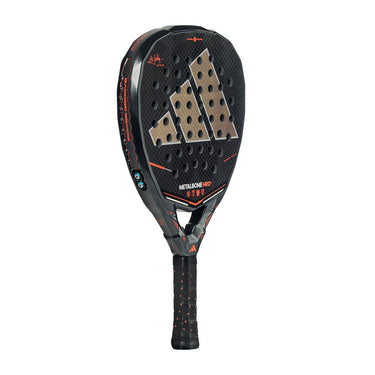
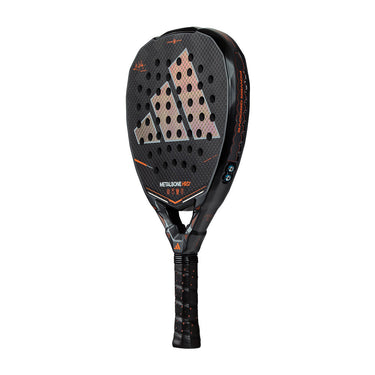
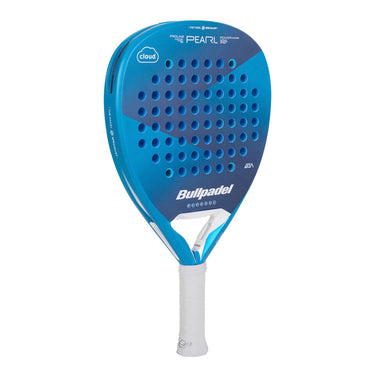
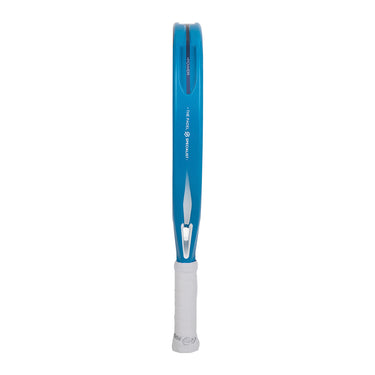
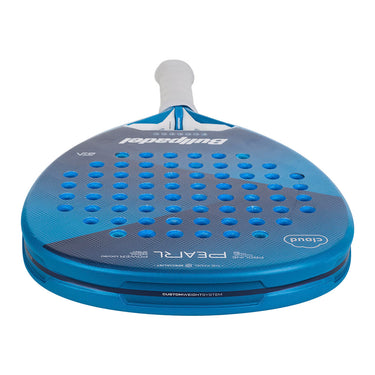
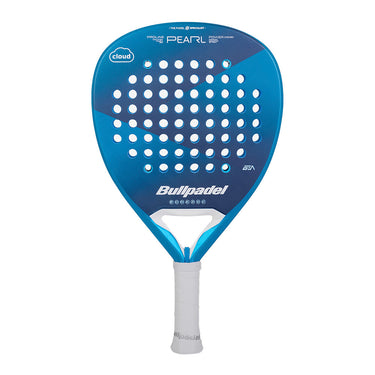
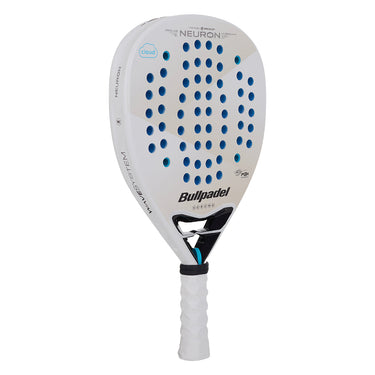
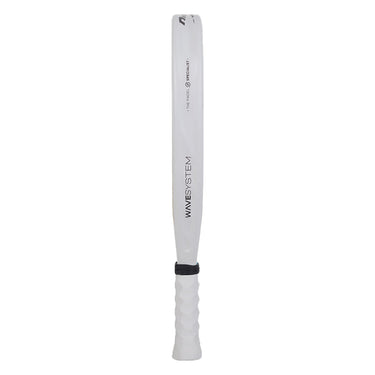
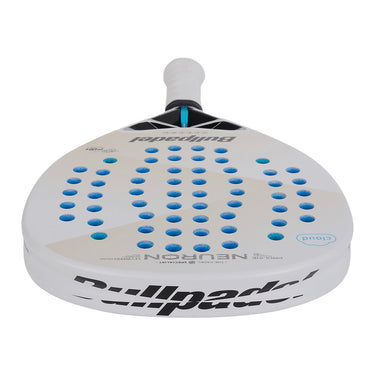
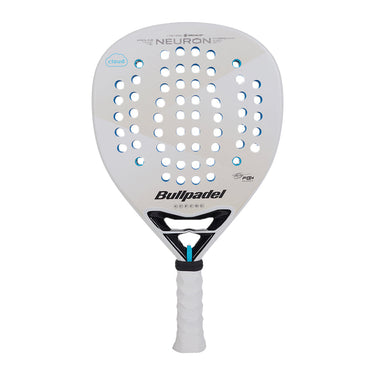
Padel and tennis rackets are completely different. A padel racket is solid with no strings, made from foam and composite materials, with holes drilled through the face and a short handle. A tennis racket is larger, has a long handle, and uses a strung head that generates far more power and spin. The stringless padel racket is more forgiving and easier to control, which is one reason beginners often find padel less intimidating than tennis.
The ball
The balls look almost identical, and that is no accident. A padel ball is very similar to a tennis ball but has slightly lower internal pressure, which gives it a marginally lower bounce suited to the smaller court. In practice they feel nearly the same to a casual player, but using the correct ball matters for proper play, since a tennis ball bounces a touch too much on a padel court.
The serve
Serving is one of the clearest rule differences. In tennis, players serve overhand, tossing the ball up and hitting it with power, and the serve is a major weapon. In padel, the serve is underhand: you bounce the ball once on the ground and hit it below waist height into the diagonal service box. This makes the padel serve far easier to learn and much less dominant, so rallies tend to be longer and more about placement than raw power.
Scoring: the one thing they share
Here is where padel and tennis are identical. Both use the same scoring system: points go 15, 30, 40, and game, you need to win six games to take a set, and matches are usually best of three sets. Deuce and advantage work the same way too. If you already know how to keep score in tennis, you can score a padel match without learning anything new, which makes the crossover easy. Because padel uses tennis scoring, winning two games feels exactly the same in both sports.
The walls change everything
The walls are what make padel unique. After the ball bounces on the floor, it can rebound off the glass walls and remain in play, so points last longer and strategy revolves around angles and patience rather than overpowering your opponent. Tennis has no walls, so once the ball passes you or bounces twice, the point is over. This single difference gives padel its distinctive, chess-like rhythm and is a big part of why it is so addictive. The back walls give you a second chance to reach a ball, so points play longer, producing longer rallies that reward more patience than raw power.
Singles vs doubles
Tennis is popular in both singles and doubles, and singles is the marquee format at the professional level. Padel, by contrast, is almost always played in doubles on the standard court, which makes it a naturally social game. The smaller court and doubles format mean less ground for each player to cover, so padel is less physically punishing and more accessible to players of all ages and fitness levels. With four players on court, padel is typically played as a doubles game from the very first match.
Which is easier to learn?
For most people, padel is much easier to learn than tennis. The underhand serve, the smaller court, the forgiving racket, and the doubles format all lower the barrier, so beginners can enjoy real rallies within their first session. Tennis has a steeper learning curve, with a technical serve and more court to cover, which can take longer to feel rewarding. This ease of entry is a major reason padel has grown so fast.
Physical demands
Both sports are great exercise, but they tax the body differently. Tennis, especially singles, demands more running, explosive sprints, and powerful strokes, making it more physically intense. Padel involves plenty of movement too, but over a smaller area and with less strain on the shoulder from serving, so it is gentler on the body and easier to sustain into older age. Many former tennis players take up padel for exactly this reason. Traditional tennis, played at high intensity, can be tougher on the body over the years than padel.
Padel vs paddle tennis, platform tennis and pop tennis
Padel is often confused with similarly named sports. Paddle tennis, sometimes called pop tennis, is a separate American game played on a smaller court without enclosing walls; Reverend Frank Beal is credited with popularizing it in early 1900s New York. Platform tennis is another cold-weather variant played on a raised, heated court with screens. The term padel tennis is simply another name for padel itself, while tennis padel is not a standard term. If you see the word paddle in the United States, check which sport is meant, because padel is the enclosed, glass-walled game described here. If you are unsure how to say the name, see our guide on how to pronounce padel.
A quick history of padel
Padel was invented in 1969 by Enrique Corcuera at his holiday home in Acapulco, Mexico, when he added walls around a small court. The idea of wall-based racket games goes back over a century, but Corcuera's version became modern padel. From there it spread to Spain and Argentina, and today thriving padel clubs are opening in major cities across the United States, many offering free access trial sessions to help newcomers try the game.
Can you play both?
Absolutely, and many people do. Skills transfer in both directions: tennis players bring strong hand-eye coordination and volley technique to padel, while padel sharpens touch, reflexes, and net play that help in tennis. The main adjustment for tennis players is learning to swing shorter and use the walls, and to resist the urge to hit every ball at full power. If you love racquet sports, there is no reason to choose just one.
Frequently asked questions
Is padel easier than tennis? Yes, for most beginners. The underhand serve, smaller court, forgiving racket, and doubles format make padel quicker to pick up.
Do padel and tennis use the same scoring? Yes. Padel uses the exact same 15, 30, 40, game scoring and set structure as tennis.
Can you use a tennis racket for padel? No. Padel requires a solid, stringless padel racket, which is shorter and designed for the game.
Is a padel court smaller than a tennis court? Yes, considerably. A padel court is 20 by 10 meters and enclosed by walls, while a tennis court is larger and open.
Should I play padel or tennis? If you want something social and quick to learn, try padel. If you want a bigger physical challenge and a powerful serve, try tennis. Many people enjoy both.
Ready to try padel?
To sum up, padel and tennis share their scoring and their love of a good rally, but padel's enclosed court, walls, underhand serve, and stringless racket make it a distinct, more accessible game. If tennis is a test of power and endurance, padel is a game of angles, teamwork, and touch. Curious to try it? Explore our padel rackets collection and padel shoes collection, grab a partner, and see why so many players are making the switch.