
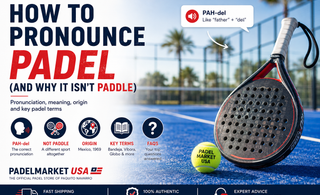
If you have only ever read the word, you are not alone in hesitating before saying it out loud. Padel is growing fast across the United States and its name trips up almost everyone at first, partly because it looks so much like an English word it is not. Here is how to pronounce padel correctly, where the name comes from, and why padel and paddle are two different things.
The short answer
Padel is pronounced PAH-del, with the stress on the first syllable and a short, open first vowel, roughly like the "a" in father. The second syllable is soft and unstressed, closer to "dell" than "dull". Spanish speakers write it pádel, with the accent on the first syllable, and that accent is exactly what tells you where the emphasis falls.
So it rhymes with saddle rather than with pedal, and the one thing to avoid is saying it identically to the English word paddle, which flattens the first vowel and points to a different sport altogether.
How most Americans pronounce it
In practice, most Americans pronounce it exactly the way it looks to an English speaker, and simply say paddle. That is understandable: the country already has a long history with paddle ball, platform tennis and paddle tennis, so the ear reaches for a familiar word. Plenty of American racket sports enthusiasts arrive at their first session pronouncing it that way and nobody blinks.
Still, the correct pronunciation splits the word as pa-del rather than pad-dle, and the difference matters for a simple reason: it separates this sport from the others. When someone says paddle, platform tennis players reasonably assume they mean their game. Saying pa-del makes the correct name unmistakable. Organisations such as the United States Padel Association use the Spanish spelling and pronunciation for exactly that reason.
Padel or paddle: they are not the same word
This is where most of the confusion starts. In American English, paddle usually refers to platform tennis or paddle tennis, both established sports in the US with their own courts, rules and equipment. Padel is a separate sport that originated in Mexico in 1969 and is played on an enclosed court with glass walls.
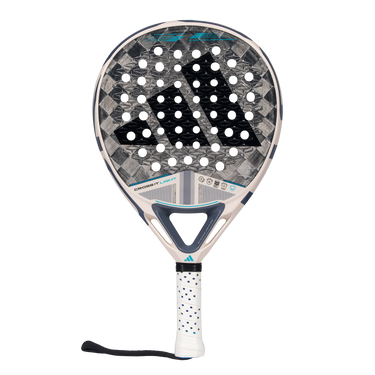
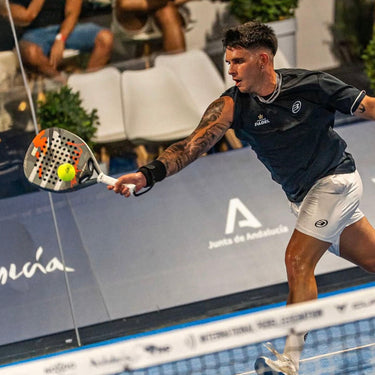
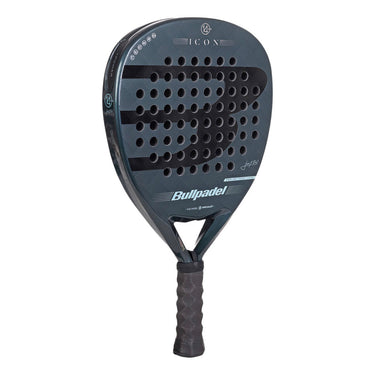
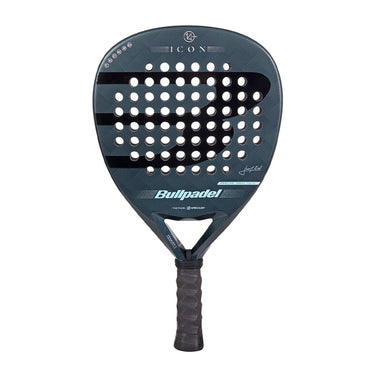
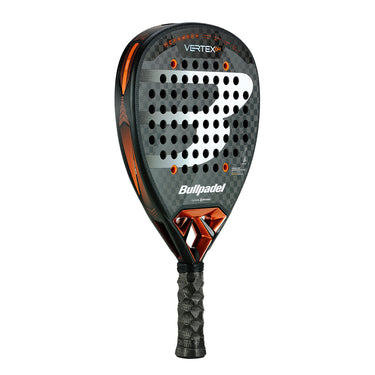
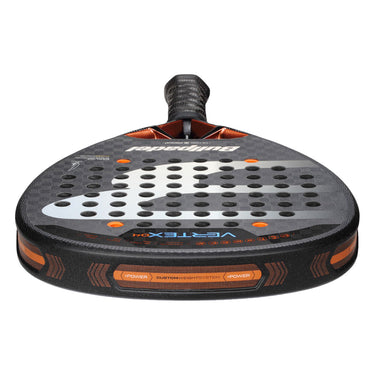
Because the two words look and sound similar, they get used interchangeably, but they describe genuinely different games. Padel uses a solid, perforated racket with no strings, a depressurised tennis ball, and glass walls that stay in play. If you want the full comparison against the racquet sports Americans know best, we cover padel vs tennis and padel vs pickleball in detail.
Where the name comes from
Padel takes its name from the Spanish pádel, itself an adaptation of the English word paddle, which described the solid bat used to play. The sport was created in 1969 by Enrique Corcuera in Acapulco, Mexico, who enclosed a court at his home with walls to keep the ball in play. From there it travelled to Spain and Argentina, where it became enormously popular and where the Spanish spelling and pronunciation took hold.
That is why the word is spelled with one d in English: it follows the Spanish pádel rather than the English paddle. When the sport arrived in the United States it kept both the Spanish spelling and, ideally, the Spanish stress pattern.
Padel across the Spanish speaking world
The Spanish language shaped everything about how this sport is named. Invented by the Mexican born Enrique Corcuera, padel spread first through South America and then to Spain, and across the Spanish speaking world the pronunciation has never wavered. Argentina and Spain remain the two deepest padel nations, and the vocabulary of the game, from bandeja to globo, travelled with it untranslated.
That matters now because padel is spreading rapidly through the United States, and the terminology arriving with it is Spanish. Unlike numerous other racket sports that developed their own English vocabulary, padel imported its own, which is why the shot names sound unfamiliar at first and why the sport's name follows Spanish stress rather than English.
Padel tennis: is that a real term?
You will often see padel called padel tennis, particularly in English-speaking countries. It is a useful shorthand that signals the sport is racquet-based and uses tennis scoring, and plenty of clubs and shops use it. Strictly speaking the sport is just padel, and that is what the International Padel Federation and the professional tours call it.
So padel tennis is not wrong, just informal. If you want to sound like a player rather than a newcomer, simply say padel.
How it is said around the world
In Spain and Latin America, the two biggest padel regions, you will hear pádel with a crisp first syllable and a light second one. In the UK the pronunciation is very close to the Spanish, often rendered as PAD-el. In the United States, where the sport is newer, you will hear more variation, and plenty of players say something closer to paddle out of habit.
Nobody at a club will correct you, but PAH-del is the version you will hear from coaches, commentators and anyone who has played the sport abroad.
Other padel words worth learning
Padel keeps most of its vocabulary in Spanish, which is why match commentary can sound impenetrable at first. The bandeja, pronounced ban-DEH-ha with a silent-sounding j, is a controlled overhead. The vibora, pronounced VEE-bo-ra, is its more aggressive relative. The globo, pronounced GLOH-bo, is a lob, and the chiquita, chee-KEE-ta, is a low shot to the opponents' feet.
Each of these describes something specific and useful. We explain what they all mean and when to play them in our guide to padel shots.
Frequently asked questions
How do you pronounce padel? PAH-del, with the stress on the first syllable and a short open first vowel. It rhymes more closely with saddle than with pedal.
Is padel pronounced like paddle? No. Paddle flattens the first vowel and refers to different sports, including platform tennis and paddle tennis. Padel keeps the Spanish pronunciation.
Why is padel spelled with one d? Because the English name follows the Spanish pádel, which was itself adapted from the English word paddle when the sport spread from Mexico to Spain.
Is it padel or padel tennis? Both are used. Padel tennis is informal shorthand; the sport's governing bodies and professional tours simply call it padel.
Where does the sport come from? Padel was created in 1969 by Enrique Corcuera in Acapulco, Mexico, and grew rapidly in Spain and Argentina before spreading worldwide.
Now that you can say it
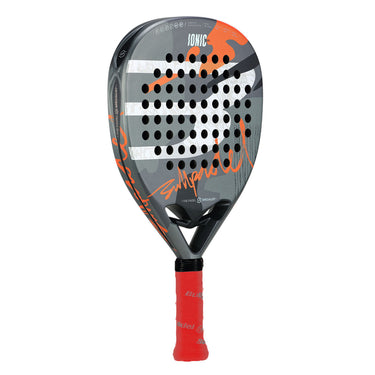
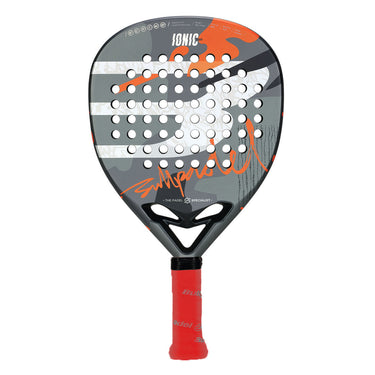
Pronunciation is the easy part; the sport itself takes a session to fall in love with and years to master. If you are curious about what padel actually involves, start with our beginner's guide to what padel is and how to play padel. And when you are ready to get on court with your own gear, our padel rackets collection ships fast from our US warehouse.



)