Padel is a racket sport played in pairs on an enclosed court with glass walls, where the ball can be played off the walls after it bounces. If you have seen glass-walled courts at a club in the US and wondered what padel is, this guide gives you the short answer: what the sport is, how it is played, what makes the court different, the equipment you need and how padel compares with tennis and pickleball.
What is padel?
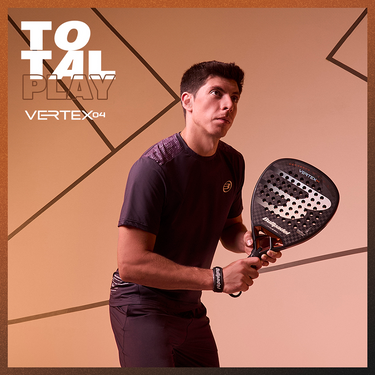
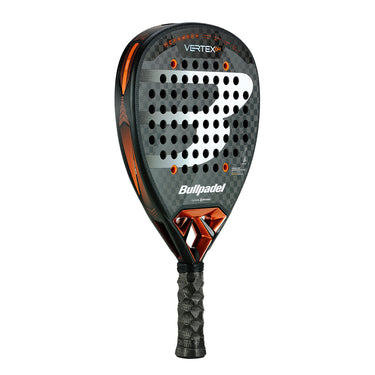
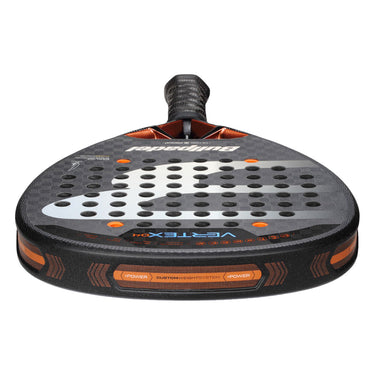
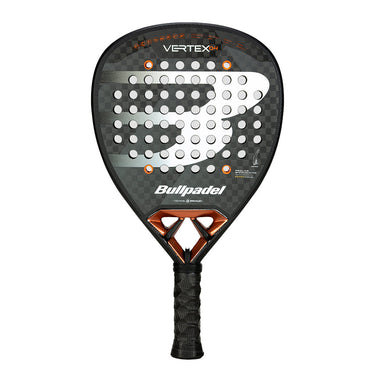
Padel is a racket sport that mixes elements of tennis and squash. Two pairs play on an enclosed court, one pair on each side of the net, using solid, stringless padel rackets and a pressurized padel ball that looks similar to a tennis ball. As in tennis, you hit the ball over the net and try to make your opponents miss. Unlike tennis, the court is surrounded by glass walls and metal mesh, and once the ball has bounced on your side it can come off the glass and still be played. That is what gives padel its long rallies and its own style of play.
In the United States, padel is often called padel tennis. It is a different sport from paddle tennis and platform tennis, which have their own courts, equipment and rules. If you are not sure how to say the name, see our guide on how to pronounce padel.
Where padel comes from
According to the International Padel Federation (FIP), padel was invented in 1969 at a house owned by Enrique Corcuera in Acapulco, Mexico. The FIP's history of the sport says padel reached Spain and Argentina in the 1970s and spread to other countries, including the United States, in the 1980s. The FIP itself was founded in Madrid in 1991. In the US, the United States Padel Association (USPA) describes itself as the national governing body for the sport and the padel association recognized by the FIP.
How padel is played, in brief
- Players. Four players, in two pairs. The official rules are written for pairs.
- Serve. Each point starts with a serve: the server bounces the ball and hits it at or below waist height, diagonally into the opponents' service box.
- Walls. A shot must bounce on the ground in the opponents' court before it touches their walls or fence. After that bounce, the ball can come off the glass and stay in play.
- Scoring. Padel uses tennis-style scoring: 15, 30, 40 and game, with sets to six games. At deuce, some events play advantage and others a single deciding point.
That is enough to understand a match. For every rule, read our guide to padel rules; for a practical walk-through of your first game, see how to play padel.
What makes a padel court different
A padel court measures 20 x 10 meters (65 ft 7 in x 32 ft 10 in) and is fully enclosed by glass walls and metal mesh. A net divides it in the middle, and lines mark the service boxes on each side. The walls are part of the playing area, so the court shapes the game: players defend balls that come off the back glass and use the walls to set up their next shot. For every line and measurement, see our guide to padel court dimensions.
Padel equipment basics
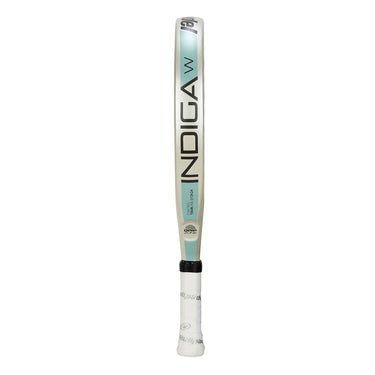
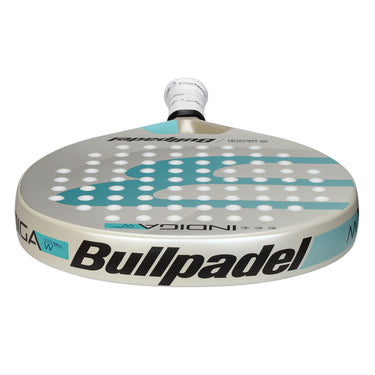
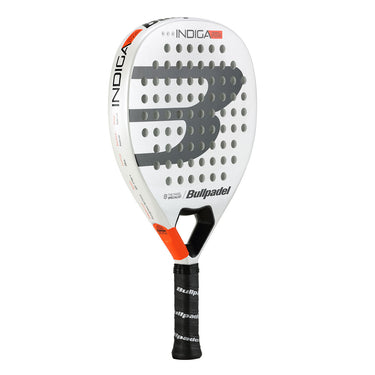
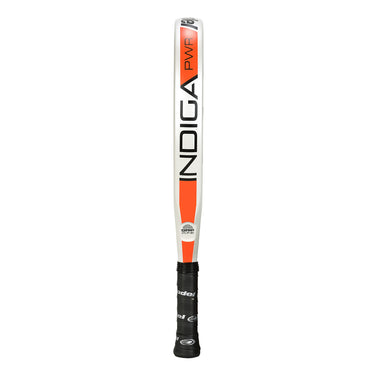
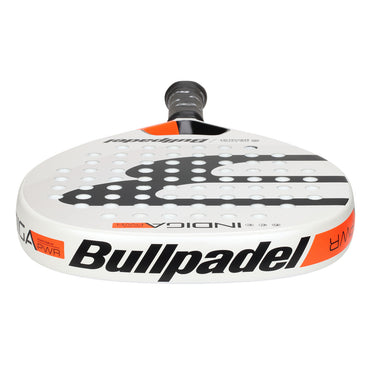
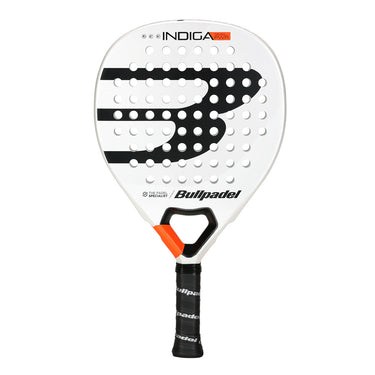
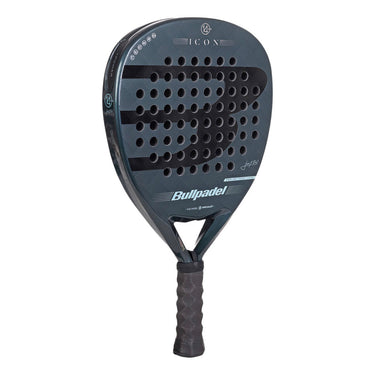
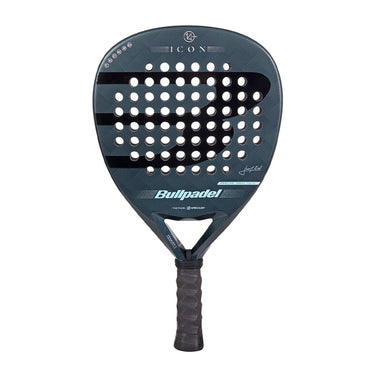
- Padel racket. Solid and stringless, with a perforated hitting surface and a cord that the official rules require you to wear around your wrist.
- Padel ball. A pressurized ball that looks like a tennis ball; padel uses its own ball specification.
- Shoes. Court shoes with good lateral grip for the surface you play on.
Many clubs rent rackets, so you can try padel before buying. When you want your own, our guide to the best padel rackets for beginners explains what to look for.
Padel vs tennis vs pickleball
Padel is often compared with tennis and pickleball, two racket sports many Americans already know. The main differences:
-
Court
- Padel: enclosed, 20 x 10 m
- Tennis: open, larger court
- Pickleball: open, 44 x 20 ft
-
Walls in play
- Padel: yes, after the bounce
- Tennis: no
- Pickleball: no
-
Equipment
- Padel: solid, perforated padel racket
- Tennis: strung tennis racket
- Pickleball: solid paddle
-
Ball
- Padel: pressurized padel ball
- Tennis: tennis ball
- Pickleball: perforated plastic ball
-
Serve
- Padel: bounced, hit at or below the waist
- Tennis: usually overhead
- Pickleball: underhand or drop serve
-
Format
- Padel: pairs
- Tennis: singles or doubles
- Pickleball: singles or doubles
For the full comparisons, read our guides to padel vs tennis and padel vs pickleball.
How to get started
To try padel, you need a court booking, three other players and a racket, which many clubs can rent you. Courts and clubs vary a lot from one US city to another, so check what is available near you, and ask whether the club runs beginner clinics or can help you find a match. Before your first game, our guide on how to play padel covers where to stand, the basic shots and how to use the walls.
Frequently asked questions
Is padel the same as paddle tennis? No. Padel is played on an enclosed court with glass walls that are part of the game. Paddle tennis and platform tennis are separate sports with their own courts and rules.
Is padel the same as pickleball? No. Pickleball is played on a smaller open court with a solid paddle and a perforated plastic ball; padel uses an enclosed court with walls, a padel racket and a pressurized ball.
How many people play a padel match? Four: two pairs, one on each side of the net.
Do you need to play tennis to learn padel? No. Tennis players will recognize the scoring and some strokes, but you can start padel without having played another racket sport.
Where can I find the official rules? The International Padel Federation publishes the Rules of Padel. Our padel rules guide explains them in plain English.
Final thoughts
Padel is a doubles racket sport with tennis-style scoring and one big twist: the walls are part of the court. If you want to give it a try, book a court with three friends, read our guide on how to play padel before you go, and enjoy your first match.
Sources: International Padel Federation, history of padel and Rules of Padel (revision applicable from January 1, 2026); United States Padel Association, about the USPA.