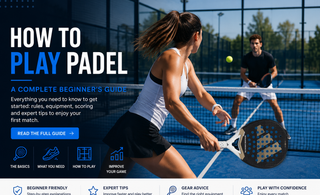
Padel is one of the easiest racket sports to get started with: the court is small, the walls keep the ball in play, and you play in pairs, so there is always someone to share the court with. This guide shows you how to play padel in your first match: what you need, where to stand, how to hold the padel racket, how to start a point, the basic shots, how to handle the walls and how to work with your partner. For the full rulebook, see our guide to padel rules.
How to play padel: the basics
Padel is played by two pairs, one on each side of the net, on an enclosed padel court with glass walls and a metal mesh fence. You hit the ball over the net with a solid, stringless padel racket, and each rally continues until one pair makes a mistake, for example letting the ball bounce twice on their side or hitting it into the net. The walls are what make padel different: once the ball has bounced on your side, it can come off the glass and you can still return it. That gives you extra time and keeps rallies going, which is a big part of why beginners enjoy their first sessions.
What you need to start playing padel
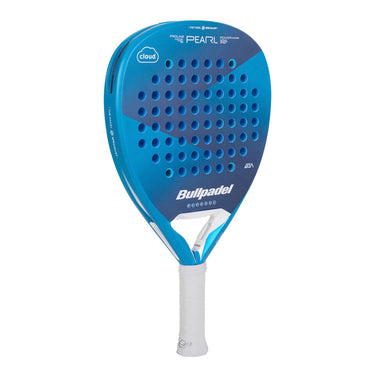
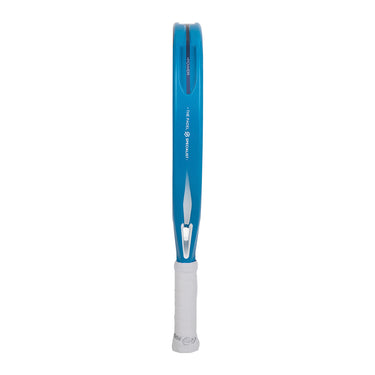
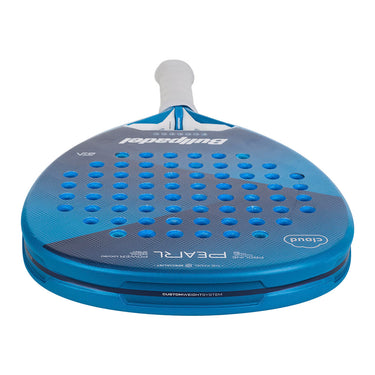
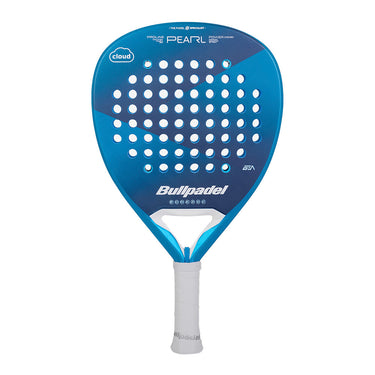
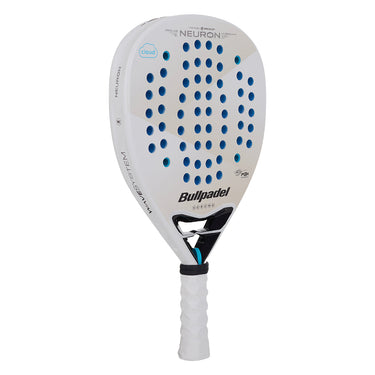
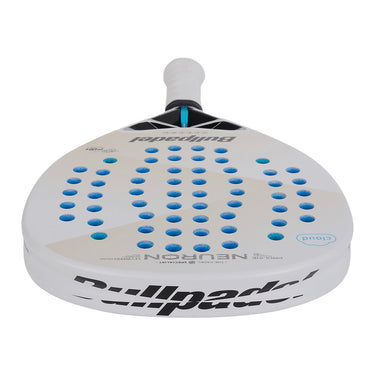
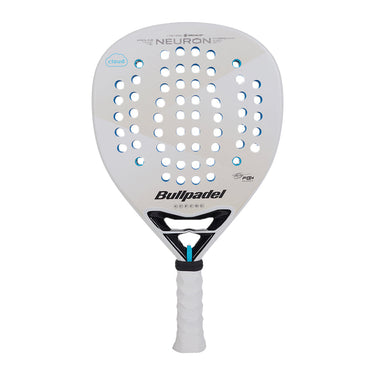
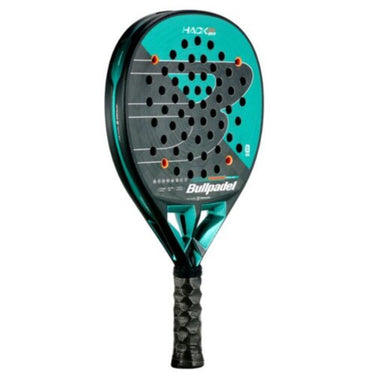
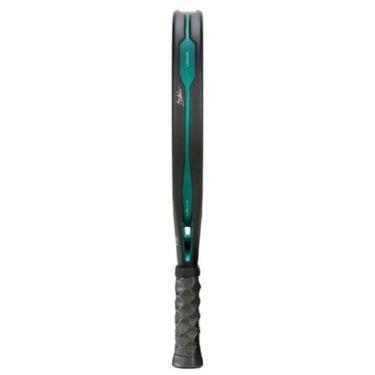
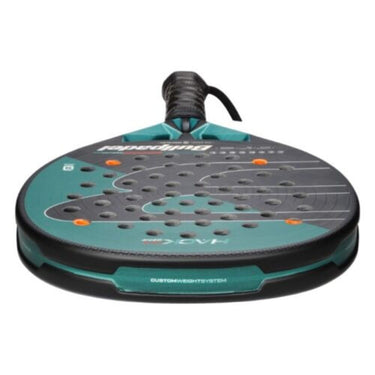
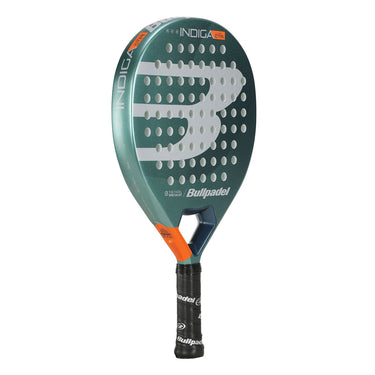
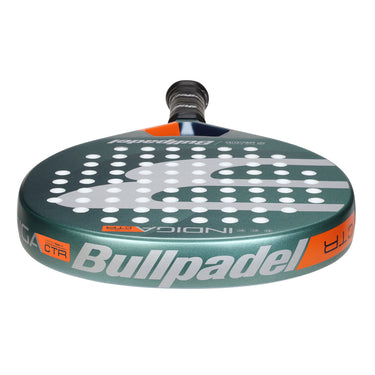
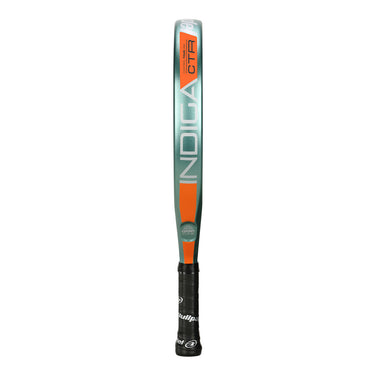
- A padel racket. If you are buying your first one, a forgiving, control-oriented racket makes it easier to keep the ball in play. Our guide to the best padel rackets for beginners explains what to look for. Many clubs also rent rackets, so you can try the sport first.
- Padel balls. Padel uses its own pressurized ball, which looks similar to a tennis ball. Ask your club whether balls are provided or bring a new can.
- Court shoes. Choose shoes with good lateral grip for the surface you play on; padel courts often use artificial turf. You can see options in our padel shoes collection.
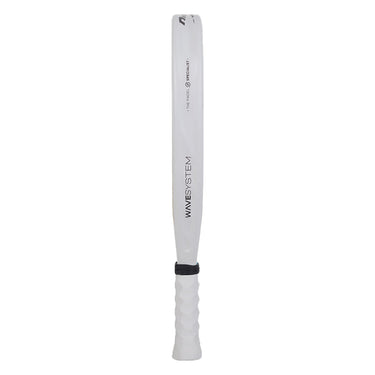
- A wrist cord. Every padel racket has a cord on the handle, and the official rules require you to wear it around your wrist.
- Three other players and a court booking. Padel is played in pairs, so you need a partner and two opponents. Many clubs can help you find a match at your level.
The rules you need for your first match
You do not need to learn the whole rulebook before you play. These are the essentials, based on the International Padel Federation (FIP) Rules of Padel:
- Every point starts with a serve: bounce the ball and hit it at or below waist height, diagonally into the opponents' service box. You have two attempts.
- The receiver must let the serve bounce before returning it.
- Your shot must bounce on the ground in the opponents' court before it touches their walls or fence.
- Once the ball has bounced on your side, it can hit the glass or the fence and you can still return it, as long as it has not bounced a second time.
- You may play the ball against your own glass to send it over the net, but it must not touch the metal fence or the ground on your own side.
- Scoring works like tennis: 15, 30, 40 and game, with sets to six games. At deuce, some events play advantage and others a single deciding point, such as the golden point.
Serve faults, lets, tie-breaks and the Star Point are all explained in our full guide to padel rules.
Where to stand on a padel court
In a padel pair, one player usually covers the right side of the court and the other the left side, and you normally keep the same side for the whole match. Many beginners start on the side where they feel more comfortable and stay there while they learn. If you want to know every line and measurement, see our guide to padel court dimensions.
- When your team serves. The server stands behind the service line, in the half of the court they are serving from. A common setup is for the server's partner to wait near the net on the other side, ready to volley, and for the server to move forward after the serve.
- When your team receives. The receiver waits behind the service box, giving the serve room to bounce and, if needed, come off the glass. The rules let the receiver's partner stand anywhere on their side; many pairs start with the partner back as well and move forward together when the return gives them time.
These are common starting positions, not rules: the official rules only fix where the server stands.
How to hold a padel racket
A common recommendation for beginners is the continental grip, sometimes described as holding the racket as if you were shaking hands with the handle, so the edge of the racket points toward the net. It lets you hit forehands, backhands and volleys without changing grip, which helps when the ball arrives quickly at the net. Hold the handle firmly but without squeezing, and put the cord around your wrist before you start playing. If a grip feels uncomfortable, ask a coach to check it in your first lesson.
How to start a point
- Stand behind the service line, without touching it, on the side you are serving from.
- Bounce the ball on the ground in your half of the court.
- Hit it at or below waist height, diagonally across the net into the receiver's service box.
- If the first serve is a fault, you have a second serve.
- After the serve, move into position with your partner.
For your first matches, a consistent serve that lands in the box is worth more than a fast one: a double fault gives away the point. When you receive, let the ball bounce, stay patient if it comes off the glass, and aim your return back into play rather than going for a winner.
The basic padel shots
- Forehand. Turn your shoulders side-on to the ball, take a short swing and hit the ball in front of your body. Control matters more than power.
- Backhand. The same idea on your other side. A compact swing with the same grip is usually easier for beginners than a big tennis-style backhand.
- Volley. At the net, hit the ball before it bounces with a short, blocking motion, keeping the racket in front of you.
- Lob. A high, soft shot over the opponents at the net. It is one of the most useful shots in padel: it pushes them back toward their glass and gives your pair time to move forward.
Once you are comfortable with these, our guide padel shots explained covers padel-specific shots such as the bandeja, the vibora and the bajada.
How to use the walls
The walls feel strange at first, but a simple approach works for beginners:
- Back glass. When a ball is going past you, let it bounce, turn sideways and wait for it to come off the glass. Move toward the net with it and hit it as it drops in front of you.
- Side glass. The angle is harder to read, so give yourself space and watch where the ball is going after the rebound.
- Do not wait too long. If the ball is not going to come back off the glass, or is about to bounce a second time, play it before the wall.
- Your own glass. You can send the ball off your own back glass to get it over the net, but avoid hitting your own metal fence: that loses the point.
Moving and communicating with your partner
Padel is a team game, and moving together matters as much as hitting well. Coaches often tell beginners to imagine a rope between the two partners: when one moves forward, back or to the side, the other follows, so you do not leave a big gap in the middle.
- Talk on every ball. Short calls such as "mine", "yours" or "leave it" stop both of you going for the same ball or leaving it.
- Agree on the middle. Decide before the match who takes balls down the middle, for example the player who can hit them with a forehand.
- Go to the net together. Move forward as a pair when you have time, for example after a good lob, and go back together when you are lobbed.
Tips for your first padel match
- Warm up with a few minutes of easy rallies, volleys and lobs before you start keeping score.
- Before the first point, agree on the scoring format, including what happens at deuce, and who serves first.
- Aim for the middle of the court and keep the ball low over the net when the opponents are at the net.
- Use the lob when you are under pressure at the back.
- Focus on getting the ball back into play rather than trying to hit winners.
- If you can, book a beginner lesson or clinic: a coach can fix your grip and positioning early.
Common beginner mistakes to avoid
- Swinging too hard. Short, controlled swings keep more balls in play.
- Turning your back on the ball instead of watching it come off the glass.
- Letting the ball bounce twice while waiting for it to come off the wall.
- Hitting returns straight into the opponents' glass without a bounce, which loses the point.
- Rushing to the net alone and leaving your partner at the back.
- Serving with the ball above your waist or stepping on the service line.
Coming from tennis or pickleball?
If you already play tennis, the scoring and the forehand and backhand will feel familiar, but the serve is hit at or below the waist, the swings are shorter and the walls change how you defend. If you play pickleball, the court and the ball are different, and in padel the glass walls are part of the game. Our guide to padel vs pickleball compares the two sports in detail.
Frequently asked questions
Is padel easy to learn? For many people, yes. The small court, the walls and the doubles format help beginners keep rallies going early on, although using the walls well takes practice.
Do I need to know tennis to play padel? No. Tennis players will recognize the scoring and some strokes, but you can start padel without having played another racket sport.
Which side of the court should I play on? There is no rule. Pairs usually keep one player on the right and one on the left for the whole match; as a beginner, try both and stay where you feel most comfortable.
How many players do you need? Four: two pairs, one on each side of the net. The official rules are written for pairs.
Can the ball hit the walls? Yes, after it bounces on your side. It must bounce on the ground before it touches the receiving side's walls or fence; the padel rules guide explains every case.
Final thoughts
To play padel for the first time, you need a racket, a partner, two opponents and a few simple ideas: serve at or below the waist, let the ball bounce, use the back glass to buy time, move with your partner and keep the ball in play. Book a court, agree on the scoring before you start, and enjoy your first match. When you are ready for your own racket, start with our guide to the best padel rackets for beginners.